
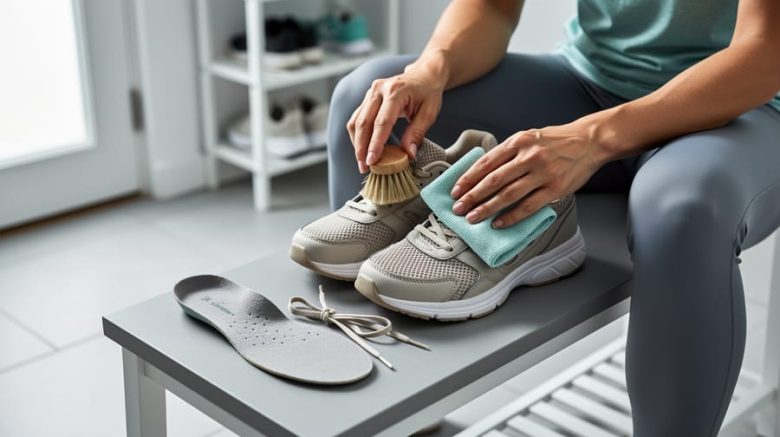
Proper footwear foot care is a two-way relationship: the right shoes protect your feet from damage, while a consistent maintenance routine keeps both your footwear and your foot health in peak condition. Most people spend 10,000 steps a day in their shoes but never think about the buildup of moisture, bacteria, and structural wear that can trigger blisters, fungal infections, and chronic pain. The good news? A simple weekly care routine takes just 15 minutes and combines shoe hygiene with smart wearing habits to prevent the majority of foot problems before they start.
Your shoes are the first line of defense against everything from plantar fasciitis to ingrown toenails, but they can also become the source of trouble if they don’t fit correctly or if you neglect basic upkeep. A shoe sizing guide is your starting point, because even premium footwear will cause problems if it’s half a size off. Beyond fit, though, the way you clean, dry, and rotate your shoes directly impacts how well they support your arches, cushion impact, and manage moisture.
This guide walks you through the exact tools you need, a step-by-step care routine adaptable to sneakers, boots, and dress shoes, and the warning signs that tell you when your footwear is no longer doing its job. Whether you’re logging miles in running shoes or wearing heels for a night out, these strategies will keep your feet healthy and your favorite pairs lasting longer through 2026 and beyond.
Why Your Shoes Are the Foundation of Foot Care
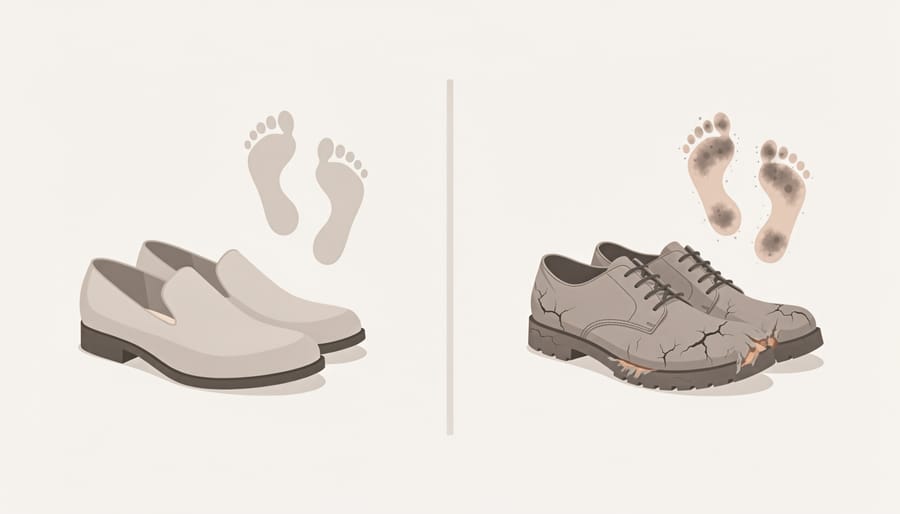
Your shoes don’t just cover your feet, they actively shape your foot health every single day. When you wear shoes with worn-down heels or compressed midsoles, your feet lose the cushioning and stability they need, forcing your ankles, knees, and even your lower back to compensate. That uneven distribution of pressure creates friction points that turn into blisters within hours and calluses over weeks.
Poor arch support in neglected footwear is particularly destructive. As shoes age, their supportive structures collapse, leaving your arches unsupported and your feet rolling inward or outward with each step. This misalignment doesn’t just hurt, it creates lasting structural problems like plantar fasciitis, flat feet, and even bunions. The connection between shoe condition and foot alignment is direct: deteriorated footwear literally changes how you walk.
Damaged materials create hidden health hazards. Cracked leather and torn mesh trap moisture against your skin, creating the warm, damp environment where athlete’s foot and toenail fungus thrive. Those small tears in your shoe’s interior lining act as bacteria collectors, and no amount of foot hygiene fixes the problem if you’re sliding your clean feet into contaminated shoes each morning.
The reality is that you can’t choose the right fit once and forget about it, proper fit changes as shoes break down. A shoe that fit perfectly six months ago might now have a sole worn thinner on one side, forcing your foot into an unnatural position. Maintaining your footwear isn’t optional grooming, it’s active prevention of foot problems that take months to heal.
Essential Tools and Materials for Footwear-Based Foot Care
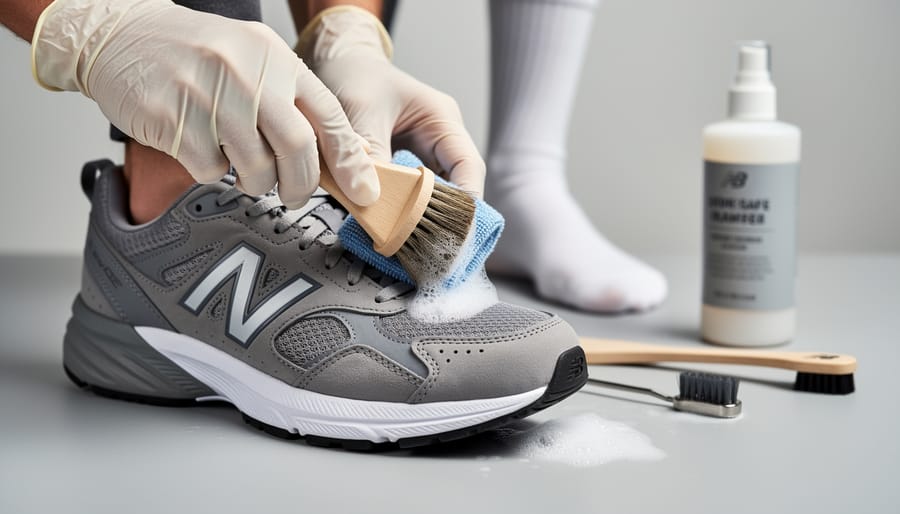
You don’t need a garage full of equipment to protect your feet through proper shoe care. A focused toolkit of about 10-15 items covers everything from daily maintenance to deep cleaning, and most pieces cost less than a decent pair of socks. Start with the basics and add specialized products as your collection grows or specific needs emerge.
Your core supplies break down into four categories:
Cleaning and Maintenance Supplies
– Soft-bristle brush or old toothbrush for removing dirt and debris
– Microfiber cloths for wiping and buffing
– Shoe cleaner appropriate for your most-worn materials (leather, canvas, or multi-surface formula)
– White vinegar or specialized odor-eliminating spray
– Leather conditioner for dress shoes and boots
Protective Products
– Water-repellent spray for weather protection
– Antifungal powder or spray to prevent bacterial growth inside shoes
– Moisture-wicking insole liners or full replacement insoles
Storage and Shape Maintenance
– Cedar shoe trees for leather footwear (absorb moisture and maintain shape)
– Shoe bags or boxes for seasonal storage
– Boot shapers to prevent creasing and slouching
Foot-Specific Care Items
– Moisturizing foot cream to prevent dry, cracked skin
– Blister prevention balm for break-in periods
– Bamboo or moisture-wicking socks (proper socks are footwear care tools)
Budget-conscious shoppers can substitute household items for several products. Baking soda works as an odor neutralizer, newspaper or smooth socks stuffed into shoes maintain shape when you can’t afford shoe trees, and a damp cloth handles light cleaning jobs. Generic athletic insoles from drugstores cost $8-15 versus $40-60 for premium brands but still provide adequate support for casual wear.
In 2026, most items appear at Target, Walmart, and drugstores nationwide, while specialty products like cedar trees show up at DSW, Foot Locker, and The Container Store. Online retailers like Amazon and Zappos stock complete care kits that bundle basics for $25-40, a practical entry point if you’re building from scratch. Cobbler supply shops, still thriving in many cities, offer professional-grade products and free advice that online shopping can’t match.
Safety Warnings and When to Stop
Before you begin any footwear care routine, understand that some shoes are beyond saving and attempting to maintain them can actively harm your feet. If you spot visible sole separation, holes in the upper material, or a completely flattened footbed, these shoes have reached the end of their functional life. No amount of cleaning or conditioning will restore structural integrity that’s already compromised.
Pay attention to your body’s signals. If you develop sudden pain, numbness, tingling, or new calluses that worsen despite proper shoe care, you need a medical evaluation rather than better cleaning products. These symptoms can indicate underlying foot conditions that damaged footwear is exacerbating. Similarly, if you notice redness, swelling, or signs of infection around your feet after wearing certain shoes, stop using them immediately and consult a healthcare professional.
Chemical safety matters too. Never use harsh solvents, bleach, or acetone-based cleaners on shoes unless the manufacturer explicitly approves them for that material. These products can break down adhesives, strip protective coatings, and create rigid spots that rub against your skin. When working with leather conditioners, waterproofing sprays, or antifungal powders, test them on a small hidden area first and work in ventilated spaces. If you have sensitive skin or known allergies, check ingredient lists carefully and consider patch-testing foot care products on your inner forearm before applying them to your feet.
Remember that attempting to repair structural damage yourself, like re-gluing separated soles or stuffing collapsed heels, rarely works and can create uneven surfaces that force your feet into harmful positions. Some DIY fixes make you avoid tight shoes that would’ve been obvious replacements, prolonging exposure to footwear that’s actively damaging your gait and posture.
Step-by-Step Daily and Weekly Footwear Foot Care Routine
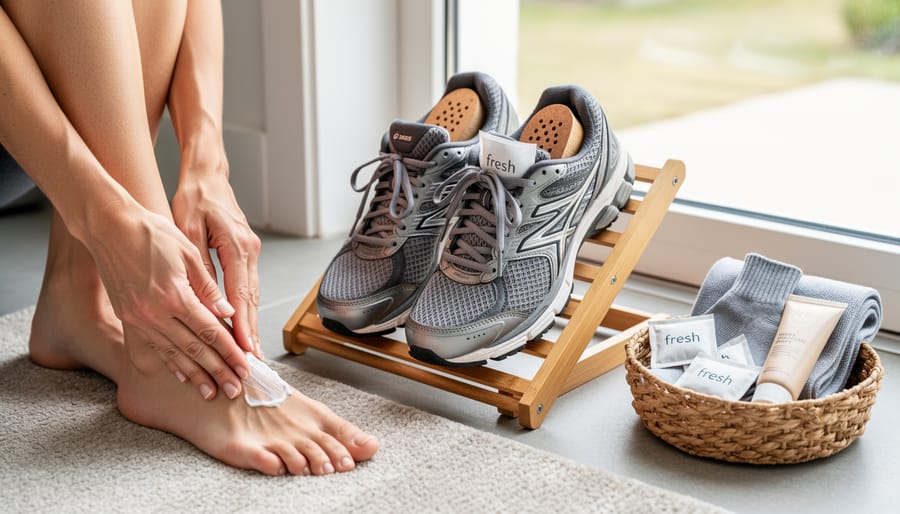
Daily Habits That Protect Both Shoes and Feet
The moment you kick off your shoes sets the tone for both their longevity and your foot health. Start by untying laces completely and using a shoe horn to slide your foot out, which prevents the heel counter from collapsing inward. That crushed-down back section doesn’t just look sloppy, it eliminates crucial ankle support and creates pressure points that lead to blisters during your next wear.
Give each pair at least 24 hours of rest between wears. Your feet release about half a cup of moisture daily, and shoes need time to dry completely. Rotation prevents bacterial buildup in damp interiors and allows cushioning materials to decompress, maintaining their shock-absorption properties. If you wear the same athletic shoes two days running, you’re essentially trapping yesterday’s sweat against today’s feet.
Stuff your shoes immediately after removal with cedar shoe trees for leather styles or crumpled newspaper for sneakers and casual footwear. This absorbs residual moisture while maintaining the upper’s shape, preventing creases that become permanent weak points. Cedar naturally fights odor-causing bacteria as a bonus.
Spot-clean any fresh stains or mud within an hour using a damp cloth. Dried dirt grinds into materials like sandpaper, breaking down protective finishes and creating rough interior surfaces that irritate skin.
End your day with a quick foot wash using mild soap, paying attention to areas between toes where moisture and friction from shoes concentrate bacteria. Dry thoroughly before bed. Healthy feet mean less stress transferred to your footwear, and well-maintained shoes return the favor by supporting proper foot function.
Weekly Deep-Care Protocol
Once a week, set aside fifteen minutes for a deeper cleaning cycle that targets the bacteria and moisture your shoes accumulate even with daily care. This routine directly supports the CDC’s guidance to keep feet clean and dry by eliminating the breeding grounds for fungal infections right where they start.
Start with leather shoes: remove laces and insoles, then wipe down the exterior with a damp cloth and leather cleaner. Condition immediately after to prevent cracking that creates friction points against your skin. For the interior, spray with an antifungal solution and let air-dry completely before replacing insoles. This stops athlete’s foot before it develops.
Athletic and canvas shoes need different treatment. Remove insoles and hand-wash them separately with antibacterial soap, or toss machine-washable ones in a lingerie bag on cold. Scrub mesh uppers with a soft brush and mild detergent mixed with water, focusing on sweat-heavy areas around the toe box and heel. These materials trap moisture against your feet all day, so thorough drying afterward is critical. Stuff with newspaper and leave near a fan, never direct heat.
Suede requires the gentlest approach. Use a specialized suede brush in one direction to lift dirt without damaging the nap, then apply suede protector spray. The brushing restores the material’s natural texture, which helps wick moisture away from your feet rather than absorbing it.
End every deep-care session by treating the insoles with odor-neutralizing powder and inspecting them for compression. Flattened insoles lose their arch support, forcing your feet into unnatural positions that cause pain by day’s end. Replace any that don’t spring back when pressed.
Monthly and Seasonal Maintenance
Every month, inspect each pair you wear regularly for structural issues your weekly routine might miss. Check heels for uneven wear patterns, if one side erodes faster, you’re putting unequal pressure on your feet and joints. Run your fingers inside the shoe along seams and linings; rough spots become blister factories. Press the midsole hard with your thumb. If it doesn’t spring back, the cushioning is dead and your feet are absorbing shock they shouldn’t.
This monthly check tells you when a cobbler visit makes sense. Loose stitching, separating soles, or worn heel caps are fixable problems that cost $15-40 but add months of safe wear. Don’t patch shoes with collapsed arch support, though. Once that structure fails, repair won’t restore the foot alignment you need.
Seasonal transitions demand attention. Before storing winter boots, clean thoroughly and stuff with cedar or newspaper to maintain shape and absorb moisture. Leather needs conditioning before long storage, dry leather cracks, creating pressure points against your skin. Pull out stored shoes a week before wearing them. Check for mold, test the flexibility, and replace insoles if they’ve compressed during storage. Shoes sitting unused for four months aren’t automatically ready for your feet.
Material-Specific Care Techniques for Optimal Foot Health
Different shoe materials demand distinct care approaches because they interact with your feet in fundamentally different ways. Understanding these differences helps you prevent material-specific foot problems while extending each pair’s useful life.
Leather shoes offer superior breathability when maintained correctly. Clean them weekly with a damp cloth and saddle soap to remove salt deposits that can stiffen the material and create friction points. Apply leather conditioner monthly to keep the material supple, which helps it conform to your foot shape rather than rubbing against pressure points. Polishing creates a protective barrier that wicks away moisture before it saturates the leather and breeds bacteria. When leather becomes stiff from neglect, it loses its breathability advantage and traps sweat against your skin.
Synthetic materials require aggressive ventilation strategies. Most synthetic leathers and plastics don’t breathe like natural materials, so moisture accumulates faster inside the shoe. Remove insoles immediately after wear and stuff shoes with newspaper to absorb humidity. Use antifungal spray twice weekly rather than monthly, since synthetic shoes create warmer, damper environments where fungi thrive. Check that your synthetic shoes match a proper shoe size because excess space compounds ventilation problems by allowing feet to slide and generate more heat.
Canvas and fabric shoes need bacterial prevention as their primary focus. Machine wash them monthly in cold water with antibacterial detergent, air-drying completely before wearing again. Never store canvas shoes damp, even slightly, this creates ideal conditions for bacterial growth that causes infections and persistent odor. Spray fabric protector on clean, dry canvas to create a moisture barrier that prevents sweat from soaking into the weave.
Athletic mesh combines the worst moisture challenges. The same open structure that provides cooling during workouts also absorbs sweat directly into the material. Rotate athletic shoes every wear without exception and never wear them two days consecutively. Sprinkle baking soda inside after each use to neutralize odor-causing bacteria, tapping it out before your next workout.
Waterproof footwear paradoxically increases fungal risk because it traps moisture inside. Dry waterproof shoes with a boot dryer or stuff them with moisture-absorbing packets overnight. Apply antifungal powder to your feet before wearing waterproof shoes for extended periods.
Verification: How to Know Your Routine Is Working
Your footwear care routine delivers results you can measure. After two to three weeks of consistent maintenance, check for these concrete signs that your efforts are paying off:
- Shoes hold their original shape when empty, with no collapsed heels or sagging uppers
- Your feet feel the same level of cushioning and arch support at day’s end as they did in the morning
- No detectable odor when you remove shoes after a full day of wear
- Zero new blisters, hot spots, or calluses forming on your feet
- Shoes reach or exceed their expected lifespan (typically 300-500 miles for athletic shoes, 1-2 years for daily casual wear)
Physical inspection tells the story clearly. Run your hand along the insole, it should feel dry and slightly textured, not slick or compressed flat. Check the outsole for even wear patterns across the heel and forefoot. Press your thumb into the midsole cushioning; it should bounce back immediately rather than staying indented.
If problems persist despite regular care, you’re likely dealing with structural shoe failure rather than maintenance issues. Continued foot discomfort points to shoes that need replacement, not more cleaning. Recurring odor despite thorough sanitizing suggests the shoe materials have absorbed too much moisture over time and can’t be salvaged. New pressure points appearing where none existed before mean the shoe’s internal support has broken down. These signals tell you it’s time to retire that pair, wearing failed footwear undermines all your foot care efforts and creates the conditions for injury.
Next Steps: Building a Sustainable Footwear Foot Care System
Start with an honest assessment of your daily routine: if you wear three pairs regularly, rotate them on a fixed schedule rather than grabbing whatever’s convenient. Label your calendar with “deep-clean sneakers” or “condition leather boots” every two weeks so maintenance becomes automatic instead of reactive.
Build your care product collection gradually based on what you actually wear. If you own mostly athletic shoes, prioritize enzyme-based cleaners and moisture-wicking sprays before investing in leather conditioners you’ll rarely use. A $15 bottle of quality shoe cleaner lasts six months and prevents the $120 replacement cost of neglected footwear.
Create a physical maintenance station near your entryway: a small basket with your basic tools, a designated airing-out spot, and shoe trees for your most-worn pairs. This setup removes friction from the routine, making it easier to clean shoes immediately after wear rather than letting dirt set for days.
Match your rotation strategy to your lifestyle demands. Office workers can alternate dress shoes every other day, while active individuals need a minimum three-pair athletic rotation to ensure proper drying time and fit for athletic comfort throughout the week.
The Shoe Reviews for Everyone campaign offers free downloadable maintenance checklists and a community forum where members share product recommendations and troubleshooting advice for specific foot concerns, creating accountability without the pressure of expensive expert consultations.
Common Questions About Footwear Foot Care
Look, you’ve probably got questions after reading about proper footwear maintenance. These come up constantly in conversations about shoe care and foot health, so let’s address them straight.
How often should I actually replace insoles?
Replace insoles every three to six months if you wear the shoes regularly, or sooner if they’ve compressed flat, smell funky even after cleaning, or no longer provide cushioning. Athletic shoes worn daily need fresh insoles closer to the three-month mark.
Do expensive shoes need different care than budget pairs?
Higher-quality shoes often use materials that respond better to proper care, but the maintenance principles stay the same. The difference is that premium leather or specialized fabrics deserve gentler, material-specific products rather than generic cleaners, and they’re worth the investment in cedar shoe trees and professional repairs.
What’s the best approach for sweaty feet and shoe maintenance?
Rotate your shoes daily so each pair gets 24 hours to dry completely, use moisture-wicking insoles, apply antifungal powder before wearing, and never put shoes away while still damp. Merino wool or bamboo socks help manage moisture before it reaches your shoes.
Can I wear athletic shoes every day without wrecking my feet?
You can if you own at least two pairs and alternate them, replace them every 300-500 miles of use, and don’t wear the same sweaty pair two days running. Daily wear compresses cushioning faster, so monitor for reduced support and retire them before they hurt your feet.
How do I balance fashion footwear with foot health?
Limit fashion-forward shoes with minimal support to shorter wearing periods, carry supportive shoes for commuting and switch at your destination, and invest in quality insoles for your dressier pairs. Save stilettos and narrow-toe styles for specific events rather than all-day wear.
The tension between style and health doesn’t require choosing one over the other. Build a rotation where your everyday shoes prioritize support and save the statement pieces for shorter durations. Your feet adapt to what you ask of them most often, so make supportive footwear your default.
If you’re dealing with persistent odor despite following cleaning routines, the problem might be bacterial buildup in older shoes that’s beyond saving. Sometimes the healthiest choice is retiring a pair that’s become a breeding ground, no matter how much you loved them. Fresh shoes with proper daily care beat trying to resurrect something that’s fundamentally compromised.
One question that doesn’t come up enough: what about shoes that feel fine but are years old? Even well-maintained footwear breaks down internally. Midsoles compress, arch support flattens, and structural integrity weakens in ways you can’t see. If your shoes are over two years old and worn regularly, assess them honestly against the verification criteria from the previous section, regardless of their external appearance.
Taking care of your shoes isn’t just about keeping them looking fresh, it’s about protecting your feet from preventable problems. When you make footwear maintenance part of your routine, you’re investing in comfort, mobility, and long-term wellness.
The daily habits matter most. Rotating your shoes, letting them air out properly, and cleaning them regularly creates an environment where your feet can thrive. Add weekly deep-care sessions and material-specific treatments, and you’ve built a system that prevents blisters, infections, and structural damage before they start.
Think of every dollar and minute spent on shoe care as preventive healthcare. Well-maintained footwear means fewer doctor visits, less pain, and shoes that actually support you through your busiest days. You’re not being high-maintenance, you’re being smart.
This approach aligns perfectly with the broader mission of making foot health accessible to everyone. When you understand how your footwear choices affect your body, you take control of your wellness in a practical, affordable way. Your feet carry you everywhere. Give them the foundation they deserve, starting with the shoes you wear today.