
Shopping for shoes online in 2026 means navigating a maze of size charts, return policies, and product photos that never quite show you what you need to see. The key to success lies in mastering four critical areas: understanding how different brands size their footwear, evaluating seller reliability and return flexibility, knowing which shoe types translate best to online purchases, and recognizing the red flags that signal a bad buy before you click checkout.
The stakes are real. Unlike grabbing a pair at the mall where you can walk around and check the fit, online shopping requires you to be part detective, part data analyst. You’re betting that a size 8 in one brand fits like your usual size 8, that the “genuine leather” description means actual leather, and that those glowing reviews aren’t AI-generated fiction.
But here’s the good news: armed with the right framework, online shoe shopping becomes less guesswork and more strategic decision-making. You’ll learn to spot quality retailers from fly-by-night operations, decode size charts like a pro, and understand exactly which measurements matter for different shoe styles. Whether you’re hunting for everyday sneakers or statement heels, this guide breaks down the buying factors that separate successful purchases from expensive mistakes sitting in your closet unworn.
Essential Factors to Consider Before Buying Shoes Online
Know Your True Shoe Size
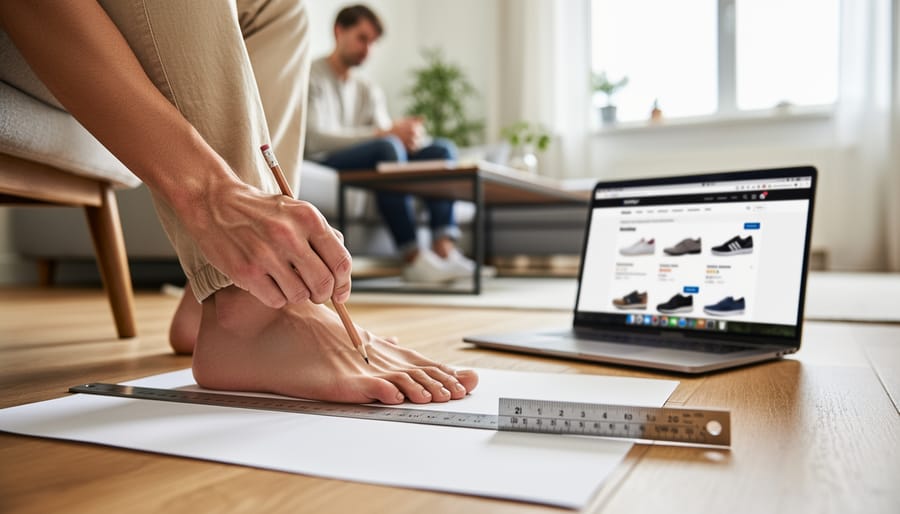
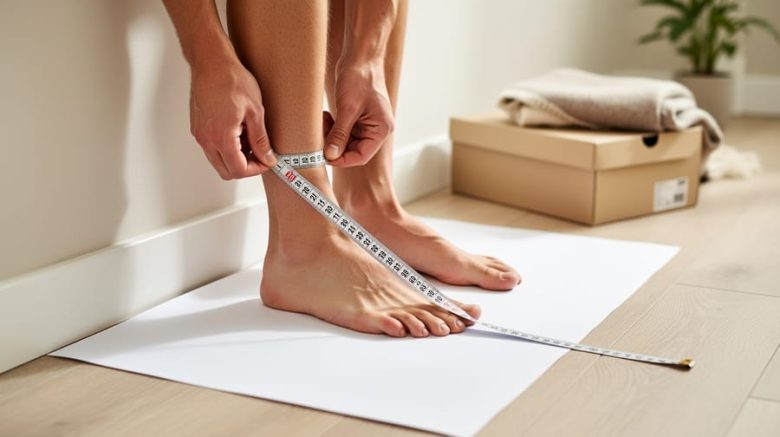
Measuring your feet at home is the foundation of successful online shoe shopping. Stand on a piece of paper with your heel against a wall, mark the longest toe, and measure from heel to toe in inches. Repeat for both feet, most people have one foot slightly larger, and you should always buy for the bigger foot.
Here’s the catch: that measurement is your starting point, not your final size. A size 9 in Nike might feel completely different from a size 9 in Clarks or New Balance. Each brand uses slightly different lasts (the foot-shaped forms shoes are built around), so you’ll need to check the specific sizing chart for every brand you’re considering. Many retailers now provide detailed size guides that show measurements in centimeters or inches alongside their numerical sizes.
Timing matters more than you’d think. Your feet naturally swell throughout the day, expanding by up to 8% between morning and evening. Measure in the afternoon or evening when your feet are at their largest, this prevents buying shoes that feel perfect when you first try them on but pinch after a few hours of wear. If you plan to wear specific socks with your new shoes, keep them on during measurement for the most accurate fit.
Read the Return and Exchange Policies
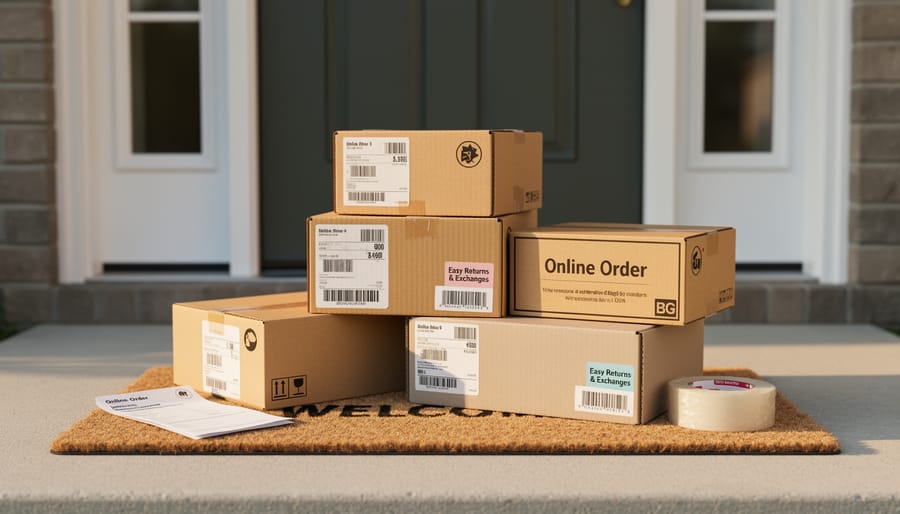
Before adding shoes to your cart, locate and review the return policy, it’s your safety net when buying online. Look for the return window length (30 days minimum is ideal), whether return shipping is free, and if you’ll receive a full refund or store credit. Some retailers charge restocking fees ranging from 10-20% of the purchase price, which can significantly eat into any savings you thought you scored.
Pay attention to condition requirements too. Most policies require unworn shoes with original packaging and tags attached, but definitions of “unworn” vary. Some retailers reject returns if shoes show any signs of indoor try-on, while others allow light testing on carpet. Screenshot or save the policy page with your order confirmation, policies can change, and you’ll want proof of the terms that applied when you purchased.
As a US online shopper, you’re not automatically entitled to returns by federal law, unlike in-store purchases in some states. However, many states have specific consumer protection laws, and most reputable retailers offer returns as standard practice. If a retailer’s policy seems unusually restrictive or unclear, consider it a red flag and shop elsewhere.
Check Customer Reviews and Photos
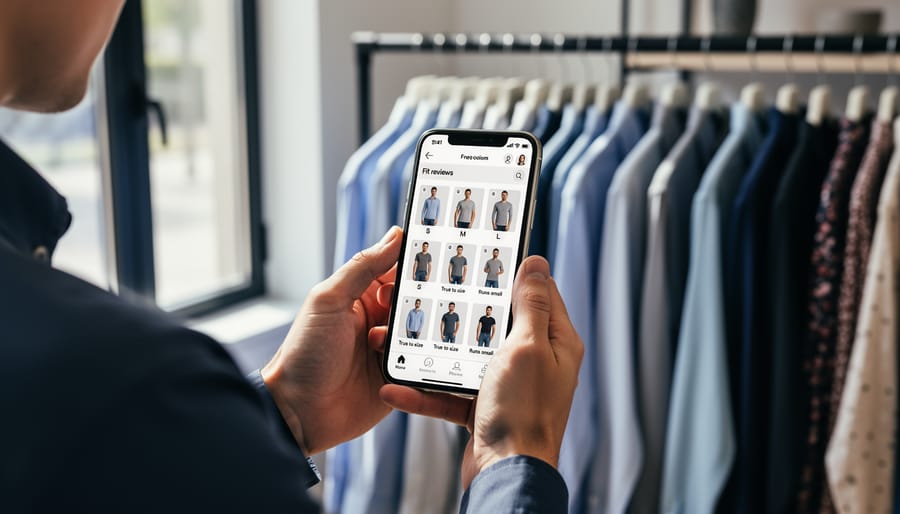
Customer reviews reveal the truth professional product shots can’t capture. Start by reading reviews that mention fit, pay close attention when multiple buyers note whether shoes run large, small, or narrow. A pattern of “ordered my usual size 8 but needed 8.5” tells you more than any size chart.
Look for reviews with uploaded photos showing the shoes on actual feet and in real lighting. These images expose how materials photograph versus reality, whether white canvas yellows quickly, or if “burgundy” leather looks more brown in person. Customer photos also show how shoes look after weeks of wear, revealing durability issues you won’t spot in studio shots.
Be skeptical of extremely brief reviews or those that sound like marketing copy, authentic feedback includes specific details about comfort after walking several hours, how the sole feels on pavement, or whether the heel rubs. Sort reviews by “most helpful” rather than newest, since these typically offer the most detailed sizing and fit information.
Check the verification badge confirming “verified purchase” to filter out incentivized or fake reviews. Read the three-star reviews first; they tend to give balanced assessments highlighting both strengths and genuine weaknesses that helped them dock points.
Understanding Different Types of Online Shoe Retailers
Brand-Direct Websites
Shopping directly from a brand’s official website offers several distinct advantages for online shoe buyers. Authenticity is guaranteed, you’ll never receive counterfeit products when purchasing from, or other manufacturer sites. Brand-direct shopping typically provides the most comprehensive size selections, including hard-to-find widths and extended sizes that third-party retailers often don’t stock. Manufacturer websites feature brand-specific sizing guides tailored to their unique construction methods, helping you choose the right size with greater confidence. You’ll also access exclusive colorways, limited releases, and direct customer service from teams who know their products inside out, though prices may be higher than discount retailers.
Multi-Brand Retail Platforms
Multi-brand platforms like Zappos, Nordstrom, and DSW bring together hundreds of shoe brands under one roof, making it remarkably easy to compare styles, prices, and customer ratings without juggling multiple browser tabs. You can filter by size, width, color, and price range across brands simultaneously, a huge time-saver when you’re hunting for specific features or following smart shopping guidelines. These retailers typically offer free shipping and returns on all brands, consolidating your purchases into one shipment instead of waiting for multiple packages from different manufacturers. The return process stays consistent regardless of which brand you choose, and you earn rewards points that work across your entire purchase history. Customer reviews on these platforms often provide cross-brand comparisons, with shoppers noting how Nike runs compared to Adidas or how Clarks sizing differs from Steve Madden. The downside? You might not find every colorway or the absolute latest releases that brand-direct sites stock first.
Auction and Resale Sites
Auction platforms and resale marketplaces open up access to discontinued styles, limited editions, and vintage finds that vanished from regular retail channels. eBay, Grailed, Poshmark, and StockX each operate differently, some authenticate products before shipping while others rely on seller ratings and buyer protection programs. Before bidding or buying, examine every photo closely for wear patterns on the soles, creasing along the upper, and any discoloration that suggests the shoes endured more use than the listing admits.
Pre-owned footwear often shows signs of the previous owner’s gait and foot shape, which can affect your comfort even if the shoe looks pristine in photos. Ask sellers specific questions about wear frequency, storage conditions, and whether the shoes were resoled or repaired. Check the platform’s authentication service if you’re pursuing high-value sneakers or designer footwear, paying a small verification fee beats receiving counterfeits.
Set price alerts for rare models you’re tracking rather than impulse-buying the first listing you see. Patience on auction sites frequently rewards you with better condition shoes at lower prices, especially if you’re willing to wait for sellers motivated to move inventory quickly.
Discount and Outlet Retailers
Online outlet retailers and discount sites can deliver significant savings on quality footwear, but smart shopping requires understanding what you’re actually buying. Legitimate outlets like 6pm, Nordstrom Rack, and brand-specific outlet stores typically sell overstock, past-season styles, or items with minor cosmetic imperfections, not fundamentally flawed products.
The trade-off is selection. You won’t find current season styles in full size runs, and popular sizes sell out quickly. Some outlets mix in lower-quality products manufactured specifically for outlet channels, marked by subtle differences in materials or construction compared to mainline versions.
Check the product description carefully for phrases like “outlet exclusive” or “made for outlet,” which signal these specifically-produced items. Compare prices against the stated “original retail price” by searching other retailers, some inflated comparisons make discounts appear larger than they are.
The best outlet deals come from timing: shop end-of-season clearances and holiday sales when discounts stack. Most legitimate outlets honor standard return policies, though return windows may be shorter than full-price retailers. For quality shoes at 30-70% off, outlets reward patient shoppers willing to compromise on having the latest styles.
Smart Shopping Strategies for the Best Online Shoe Purchases
Leverage Technology and Tools
Modern retailers have transformed online shoe shopping with sophisticated digital tools that reduce guesswork. Virtual fitting rooms now scan your feet using your smartphone camera, creating a 3D model that compares against shoe dimensions to predict fit accuracy. Several major brands and retailers offer this feature in 2026, though results vary by shoe style and foot shape complexity.
Augmented reality apps let you visualize how shoes look on your feet before ordering. Point your camera at your feet, and the app overlays the shoe design in real-time, showing proportions and style from multiple angles. While AR cannot replicate actual comfort, it helps you assess whether a design flatters your foot shape and coordinates with your wardrobe.
AI-powered recommendation engines analyze your purchase history, browsing patterns, and stated preferences to suggest shoes matching your style and fit requirements. These tools improve with each interaction, learning whether you prefer narrow or roomy toe boxes, higher or lower arches, and specific materials. Some retailers combine AI recommendations with customer review data, flagging when a shoe typically runs small or requires sizing up.
Consider these tools starting points rather than guarantees. Cross-reference their suggestions with customer reviews and detailed product specifications. Technology narrows your options effectively, but your own research ensures the final choice matches your actual needs.
Order Multiple Sizes Strategically
One of the smartest approaches to online shoe shopping is ordering two sizes, typically your usual size and one half-size up. This strategy works best when retailers offer free returns with prepaid shipping labels, making it cost-effective to try both at home. Most platforms provide 30 to 60 days for returns, giving you plenty of time to test the fit during different activities.
When your shoes arrive, try them on the same foot simultaneously to compare directly. Walk around your house for at least 15 minutes in each pair, testing them on different surfaces. Pay attention to pressure points, heel slippage, and toe room. Keep all original packaging intact until you’ve made your final decision, and immediately process returns to avoid missing the deadline.
Create a simple system for managing multiple orders: photograph each box with its size clearly visible, and set phone reminders for return deadlines. This organized approach prevents confusion when you’re ordering from several retailers simultaneously, ensuring you return unwanted sizes promptly while keeping your preferred pair.
Time Your Purchases Wisely
Timing makes a substantial difference in both price and selection when shopping for shoes online. Most retailers follow predictable sales cycles that savvy shoppers can leverage to their advantage.
End-of-season clearances typically hit in late July through August for summer styles and January through February for winter footwear. During these periods, you’ll find the deepest discounts, often 40-70% off, but popular sizes sell out quickly. If you’re shopping for next season rather than immediate needs, this window offers exceptional value.
Major sale events like Black Friday, Cyber Monday, and back-to-school promotions in late August provide strong discounts across full size runs, usually 25-40% off. These sales balance price and selection better than clearances. Holiday weekends (Memorial Day, Labor Day, President’s Day) also bring predictable promotions worth planning around.
For maximum selection at regular prices, shop mid-season, March through May for spring/summer styles, September through November for fall/winter. New releases typically arrive during these months with complete size availability.
Don’t wait for sales on truly limited-edition releases or highly popular styles. These sell out at full price and rarely see significant discounts. Set price alerts through browser extensions or retailer apps to catch unexpected promotions on specific shoes you’re tracking.
Common Online Shoe Shopping Mistakes to Avoid

Assuming Your Size Is Universal
One of the biggest mistakes you can make is assuming your shoe size stays the same across all brands. A size 9 in Nike won’t necessarily fit the same as a size 9 in Adidas, Converse, or European brands like Birkenstock. Different manufacturers use varying lasts, the foot-shaped molds around which shoes are constructed, and even within a single brand, different shoe styles can fit quite differently.
European sizes don’t map perfectly to US sizes, either. A women’s US 8 might be a 38.5 or 39 in EU sizing, depending on the brand. Athletic brands often run half a size larger than dress shoe brands, while fashion sneakers can be narrower or wider than running shoes from the same company.
Always check the specific sizing chart provided by the retailer or brand you’re buying from, not just a generic conversion chart. Many brands now include fit notes like “runs small” or “true to size” on product pages, and customer reviews often mention whether they sized up or down. When in doubt, measure your foot in centimeters and compare it to the brand’s length measurements, it’s the most reliable way to find your actual size for that particular shoe.
Ignoring Material and Construction Details
Material descriptions aren’t just marketing fluff, they directly impact how a shoe fits and performs. Leather, for instance, stretches and molds to your foot over time, meaning a snug initial fit often becomes perfect after a few wears. Synthetic materials, by contrast, rarely give much. If a synthetic shoe feels tight in the product photos, it’ll likely stay that way.
Construction methods matter just as much for long-term comfort. Goodyear welted shoes require a substantial break-in period but last years longer than cemented constructions. Shoes with removable insoles accommodate custom orthotics, while glued insoles don’t. A canvas sneaker might feel great immediately but won’t provide arch support for all-day wear like a properly constructed walking shoe with built-in support features.
Pay attention to lining materials too. Mesh linings dry quickly and breathe well for athletic use, while unlined leather offers a more custom fit but may cause blisters initially. These details directly affect whether your online purchase becomes a favorite pair or sits unworn in your closet.
Overlooking Authenticity Verification
Counterfeit shoes flood online marketplaces, particularly auction sites and peer-to-peer platforms where verification standards vary. The price gap between authentic and fake footwear can reach hundreds of dollars, making authentication crucial for smart shopping.
Watch for suspiciously low prices on popular brands, if a pair of designer sneakers retails for $250 but you find them for $79, that’s a major red flag. Examine product photos closely: authentic shoes feature consistent stitching, properly aligned logos, and high-quality materials. Counterfeits often show uneven seams, blurry brand marks, or cheap-looking construction. Request additional photos showing box labels, size tags, and manufacturing details if the listing only includes generic images.
Check the seller’s history and ratings before committing. Legitimate resellers typically have established accounts with verified transactions and detailed feedback. Ask pointed questions about purchase receipts, production dates, and specific authentication details. Many counterfeiters can’t answer basic questions about where or when they acquired the shoes.
For high-value purchases, use platforms offering authentication services or third-party verification before finalizing the sale. StockX, GOAT, and similar marketplaces inspect shoes before shipping them to buyers. Some credit cards provide purchase protection for counterfeit goods, adding another layer of security to your online shopping experience.
Main Options Compared
When choosing between major online shoe shopping approaches, you’re essentially deciding between convenience and control. Brand-direct websites give you access to the full size range and detailed fit guides specific to that manufacturer, plus they often include information about break-in and comfort for each style. However, you’ll need to visit multiple sites if you’re comparing brands. Multi-brand retailers let you browse dozens of labels in one place and consolidate shipping, but their product descriptions and sizing advice tend to be more generic. Resale and auction platforms unlock discontinued styles and rare finds at attractive prices, though you’ll sacrifice easy returns and need to verify authenticity yourself. Outlet sites promise steep discounts on current and past-season inventory, but selection can be limited and quality varies. Your best strategy often combines approaches: research fit on brand sites, compare prices across retailers, and understand daily shoe maintenance requirements before committing. Each channel has trade-offs between price, selection, and purchase confidence.
Frequently Asked Questions About Online Shoe Shopping
How do I know if a shoe runs true to size?
Check customer reviews for consistent sizing feedback, where buyers often mention whether they ordered their normal size or had to adjust. Look for reviews from people with similar foot shapes to yours, and pay attention to brand-specific sizing guides that many manufacturers provide on their product pages.
What if the shoes don’t fit when they arrive?
Most reputable retailers offer free returns within 30 to 90 days, though some charge restocking fees for worn shoes. Keep the original packaging, try shoes on clean indoor surfaces only, and initiate returns promptly through the retailer’s online portal to get a prepaid shipping label.
Should I size up or down for online purchases?
Neither automatically, start with your measured size and consult the brand’s sizing chart, then read reviews to see if that particular model runs small, large, or true to size. For athletic shoes, check sport-specific basketball fit tips or running guides, as performance footwear often requires different sizing considerations than casual styles.
How can I tell if a site is selling authentic shoes?
Verify the retailer is an authorized dealer by checking the brand’s official website, look for secure payment methods and detailed contact information, and be wary of prices dramatically below retail. Authentic sellers provide clear product descriptions with multiple photos, transparent return policies, and customer service contact options.
Beyond fit questions, new online shoe shoppers often wonder about care and maintenance. Once your shoes arrive and fit properly, learning how to care for your feet through proper footwear choices ensures your investment lasts. This means understanding break-in periods, which vary by material, leather typically needs one to two weeks of short wearing sessions, while synthetic materials often feel comfortable immediately.
Shipping timelines depend on the retailer and your location. Standard shipping usually takes five to seven business days, but many sites now offer expedited options if you need shoes quickly. During peak shopping seasons like holidays or back-to-school periods, add a few extra days to account for increased order volume. Always check the estimated delivery date at checkout rather than assuming the fastest option.
Shopping for shoes online doesn’t have to feel like a gamble. Armed with accurate measurements, a solid understanding of return policies, and the savvy to read between the lines of customer reviews, you’re already miles ahead of the average buyer. Remember that different retailers serve different needs, brand sites offer authenticity and detailed sizing, while multi-brand platforms let you compare options side-by-side, and discount outlets can deliver real value when you know what to look for.
The technology available in 2026 makes online shoe shopping easier than ever, but your own judgment remains irreplaceable. Order strategically, verify authenticity on resale platforms, and never assume your size translates across brands. These shopping guidelines aren’t just about avoiding mistakes; they’re about building confidence in your decisions.
At Shoe Reviews for Everyone, we’re committed to making quality footwear accessible and understandable for every shopper. Whether you’re hunting for everyday sneakers or statement boots, these principles will serve you well. The perfect pair is out there, and now you have the tools to find it without stepping foot in a store. Shop smart, trust the process, and enjoy the convenience of having great shoes delivered right to your door.